Commercial Honey House Hardware: Heated Uncapping Knives, Sump Baffles, and Food-Grade 304 Stainless Steel Maintenance
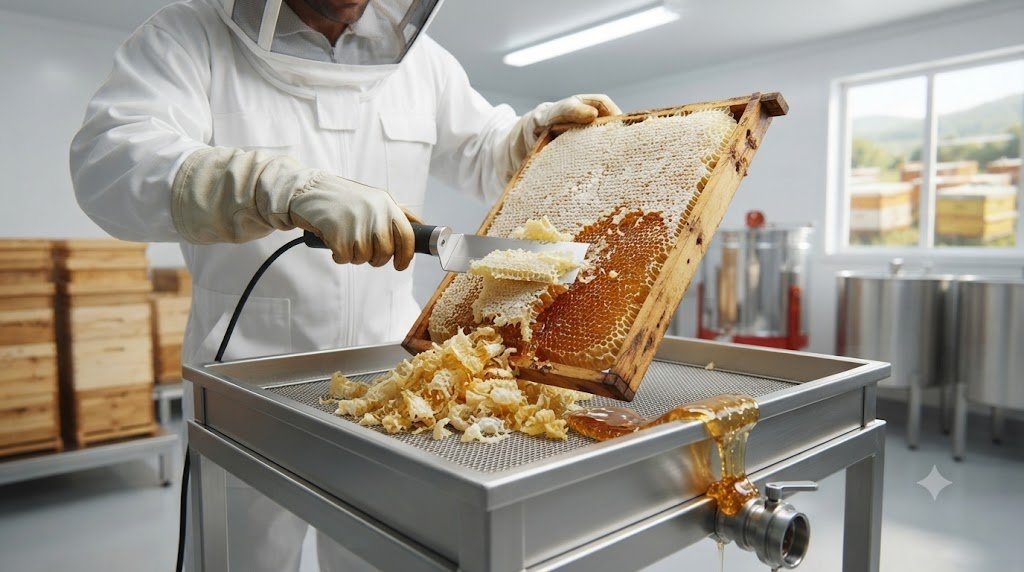
When an apiary grows from two backyard hives to fifteen, thirty, or a hundred productive colonies, the bottleneck of beekeeping shifts abruptly from the field yard to the honey house. Uncapping 600 frames by hand with a cold serrated bread knife and lifting heavy 60-pound buckets of sticky honey mixed with floating wax cappings into … Read more
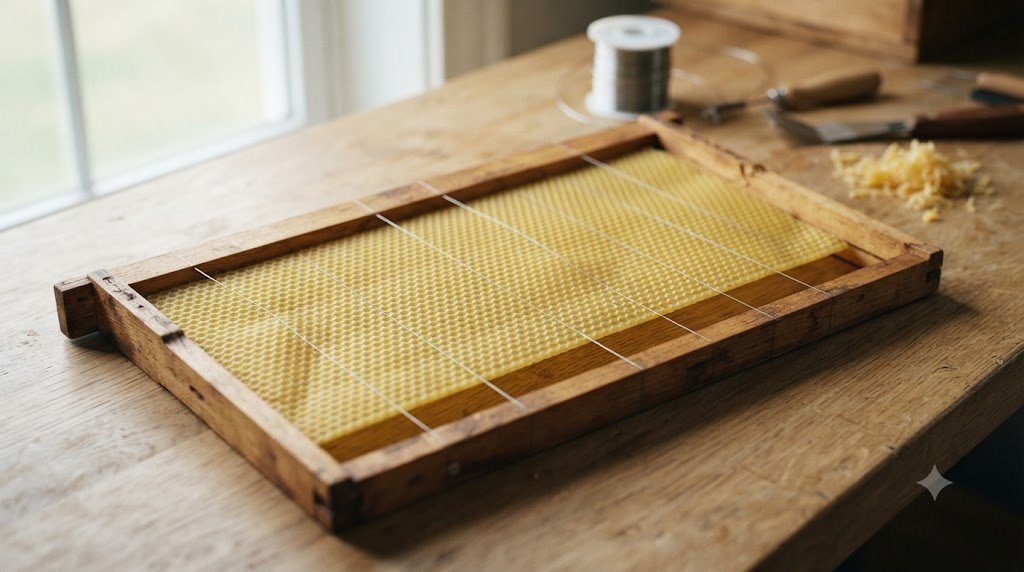
Frame Assembly, Stainless Wiring, and Foundation Physics: Cross-Wiring Tension, Beeswax Coating, and Comb Stability

The movable wooden frame is the fundamental structural unit of the Langstroth hive. Over a 10-year service life, a single deep brood frame or medium honey frame will be pried loose from sticky propolis bonds hundreds of times with a steel hive tool, carry up to 10 pounds (4.5 kg) of dense capped honey and … Read more

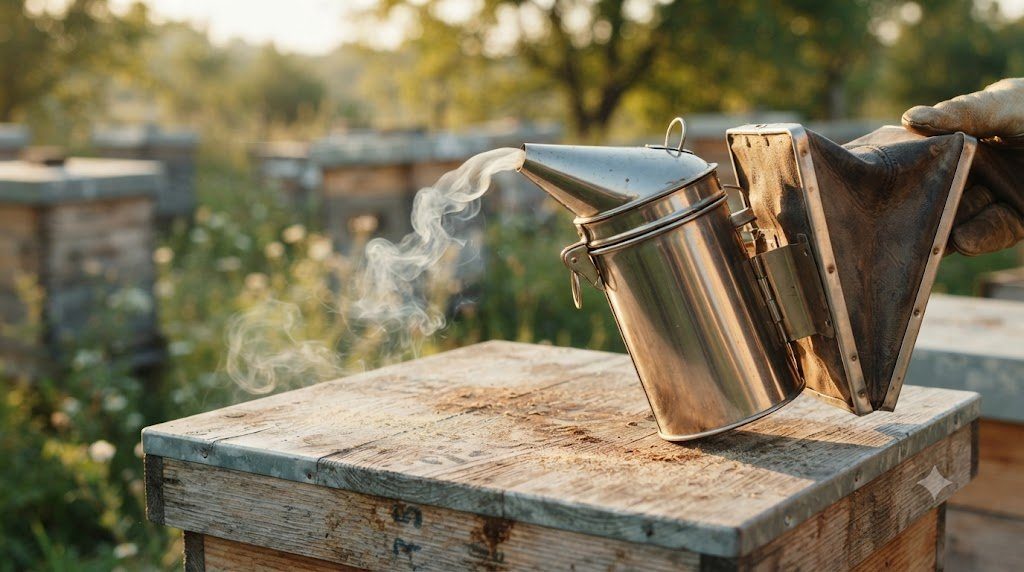
Bee Smoker Thermodynamics and Fuel Chemistry: Cool Smoke Generation, Alarm Pheromone Masking, and Spark Arrestors

Since Moses Quinby invented the modern bellows-driven tin bee smoker in 1873 in St. Johnsville, New York—subsequently refined by T.F. Bingham to direct the air blast beneath an elevated fire grate without sucking glowing embers back into the leather bellows—the stainless steel bee smoker has remained the single most indispensable tool in apiculture. Yet walk … Read more

Apicultural Protective Gear Engineering: Triple-Layer Ventilated Mesh Mechanics, Veil Visibility, and Sting Defense

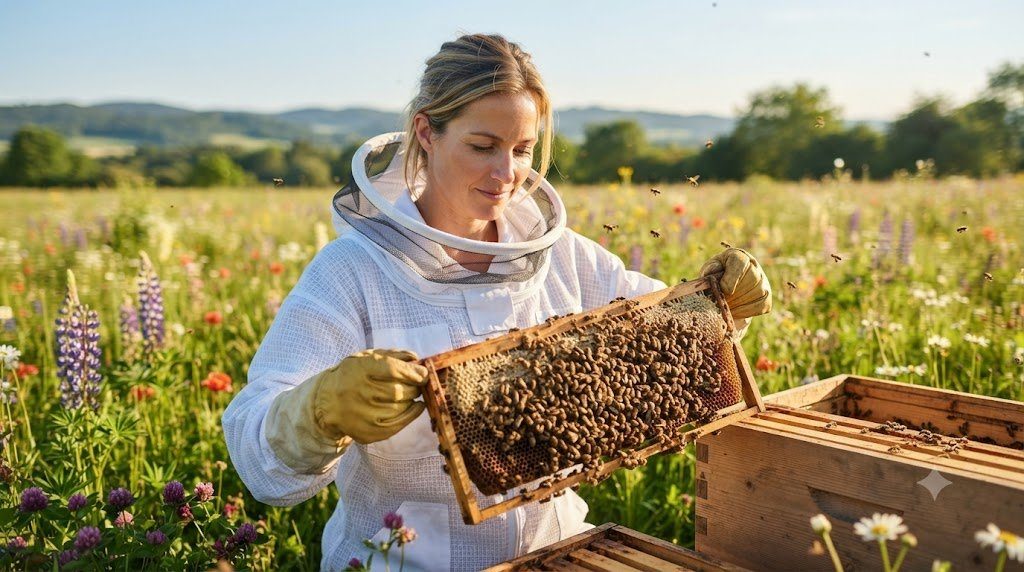
Confidence at the open hive is directly proportional to the engineering quality of your protective equipment. When a beekeeper is sweltering inside a heavy, non-breathing cotton canvas suit in 34°C (93°F) July heat—with sweat dripping into their eyes, veil mesh sagging against the tip of their nose, and clumsy, propolis-encrusted leather gauntlets crushing bees between … Read more

Bacterial and Microsporidian Pathology: American Foulbrood, European Foulbrood, and Nosema ceranae Diagnostics

Every time an apiarist lifts a brood frame out of the hive and scans the comb surface, they are acting as the frontline veterinary epidemiologist for their colony. A healthy brood nest displays a dense, contiguous mosaic of pearly-white, plump C-shaped larvae glistening in pools of royal jelly, surrounded by convex, uniform, golden-tan cappings with … Read more

Brood Metamorphosis and Larval Nutrition: Royal Jelly Epigenetics, Vitellogenin, and Winter Diutinus Bees

As a holometabolous insect (undergoing complete four-stage metamorphosis: Egg $\rightarrow$ Larva $\rightarrow$ Pupa $\rightarrow$ Adult Imago), the honey bee performs one of the fastest developmental growth sprints in the animal kingdom. Over just 6 days of open larval feeding, a newly hatched worker larva increases its body mass by an astonishing 1,500-fold—going from a 0.1-milligram … Read more

Varroa destructor Pathophysiology and Integrated Pest Management: Fat Body Depletion and Organic Acid Rotations

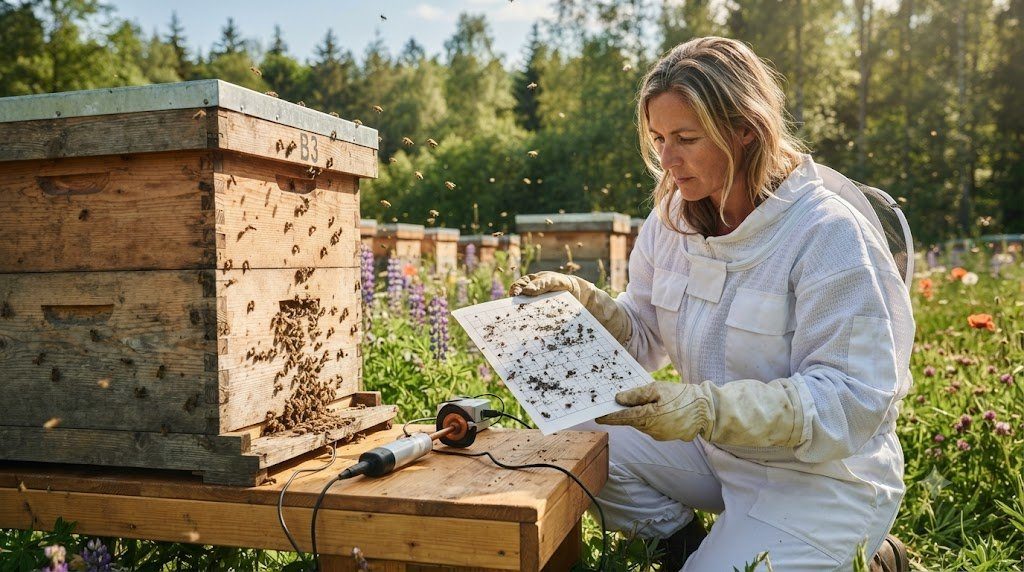
No biological threat in the history of modern apiculture rivals the destructive impact of the ectoparasitic mesostigmatid mite Varroa destructor. Originally an evolutionary parasite of the Eastern honey bee (Apis cerana) in Southeast Asia—where it reproduced exclusively in seasonal drone brood without killing host colonies—Varroa jumped species to the Western honey bee (Apis mellifera) in … Read more

Honey Bee Exocrine Gland Pheromones: 9-ODA Queen Mandibular, Nasonov, and Brood Recognition Chemistry

Inside the dark, bustling confines of a hive housing 50,000 sterile female workers, 500 drones, and a single reproductive queen, there is no central manager barking orders. Instead, social cohesion, reproductive monopoly, nursing allocation, orientation, and perimeter defense are orchestrated by a continuous symphony of volatile and non-volatile semiochemicals: honey bee pheromones. Secreted by at … Read more

Honey Crystallization Kinetics and Dyce Process Creamed Honey: Glucose/Fructose Ratios and Seed Crystal Engineering

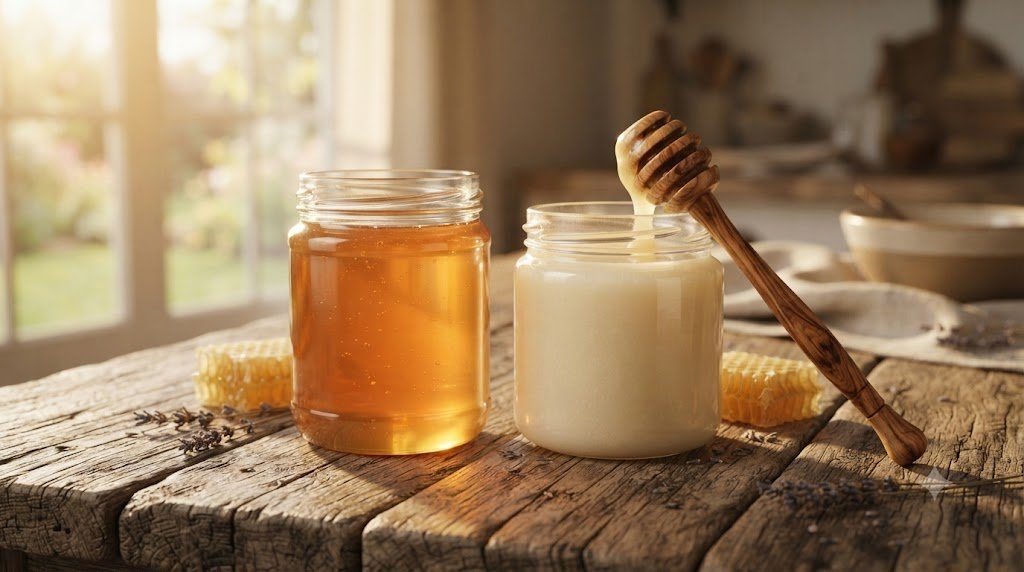
Virtually every beekeeper has received a call from a customer asking why the jar of liquid honey they bought in August turned solid in November—often wondering if the honey went bad or was adulterated with table sugar. In reality, natural granulation (crystallization) is the ultimate badge of pure, unheated raw floral honey. Because cured honey … Read more

Centrifugal Extraction Physics and Filtration Systems: Radial vs. Tangential Mechanics and Enzyme Preservation

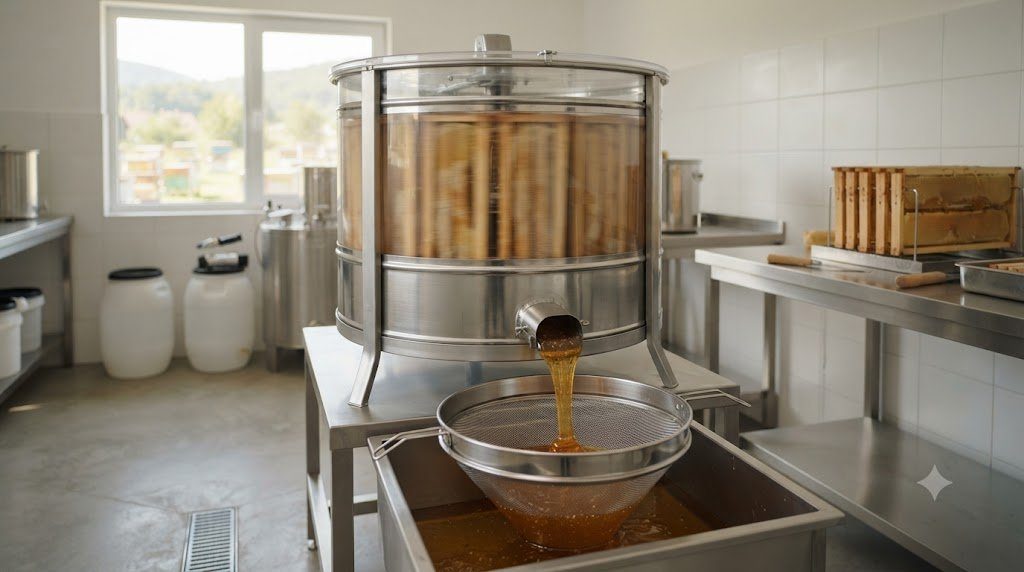
Before Major Francesco De Hruschka of Venice invented the centrifugal honey extractor in 1865—reportedly inspired after watching his young son swing a basket of honeycomb around on a rope and noticing nectar droplets flung out by centrifugal force—harvesting liquid honey required crushing the wax comb to pulp. Because bees must consume approximately 6 to 8 … Read more