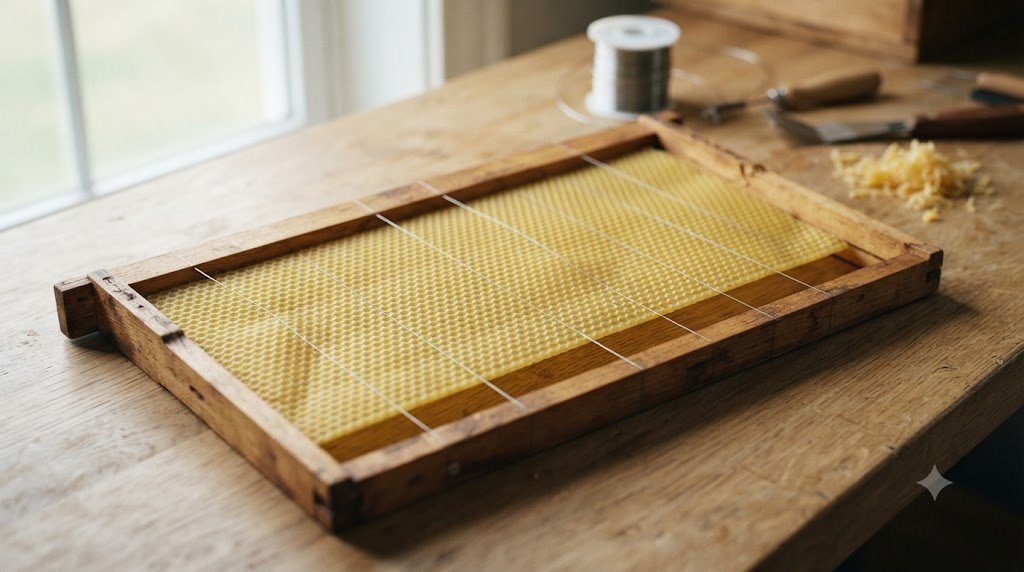
Foraging Energetics and Waggle Dance Neuroethology: Nectar Flow Mapping and Colony Recruitment
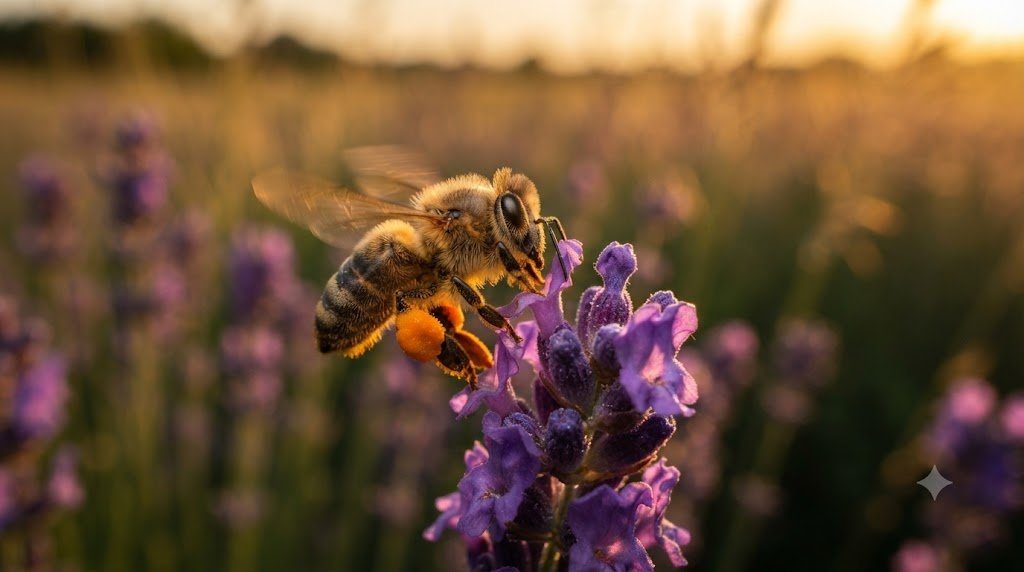
Every pound of cured surplus honey stored inside a hive super represents the cumulative flight work of approximately 2 million individual floral visits and over 55,000 miles of collective wingbeat travel. Yet a honey bee colony does not send its 15,000 to 25,000 foragers out to wander randomly across the landscape. Instead, Apis mellifera operates … Read more
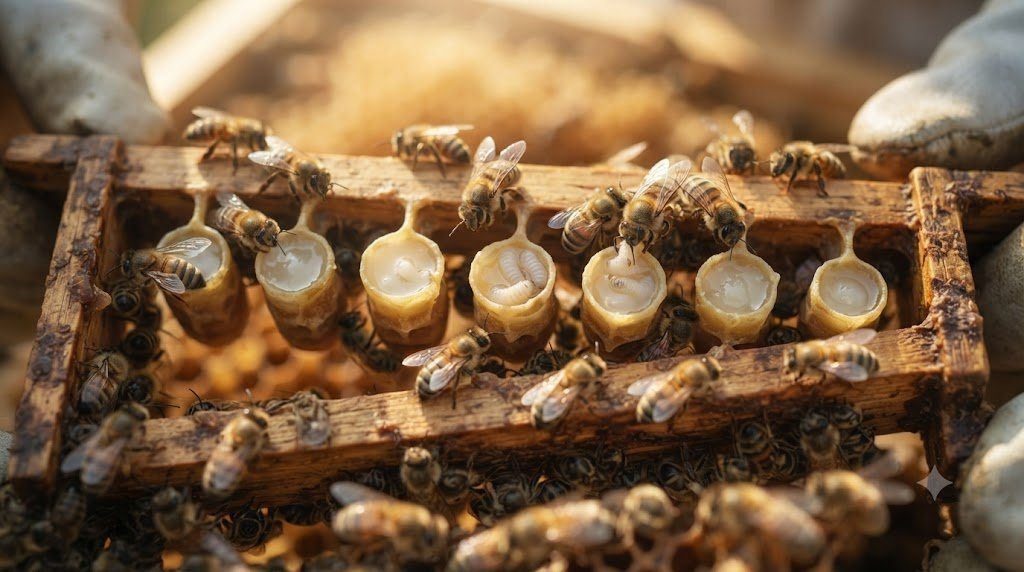
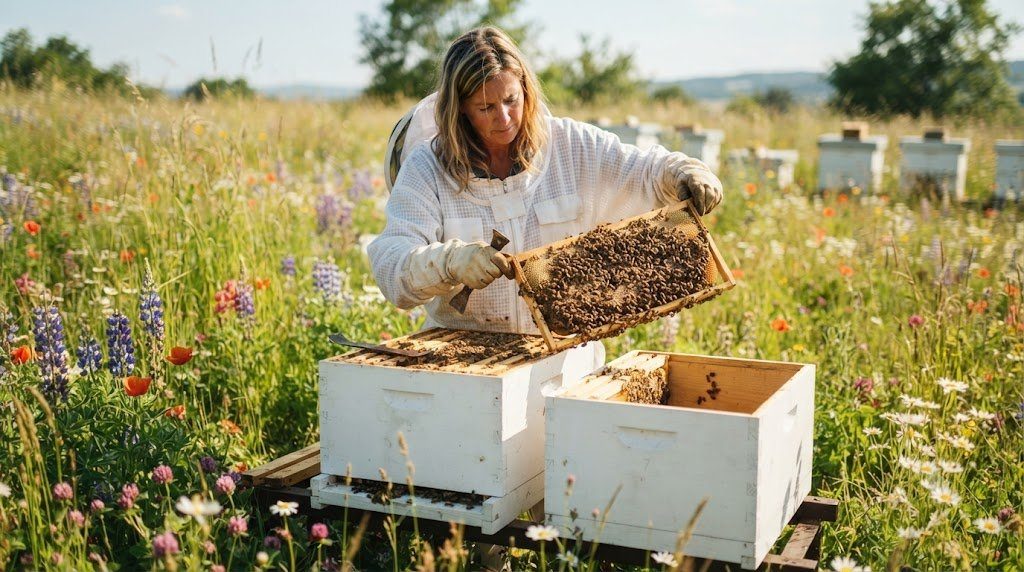
Queen Rearing Science and Grafting Mechanics: Doolittle Method, Cell Builders, and Mating Nuc Kinematics

At the heart of every productive, gentle, disease-resistant colony stands a high-capacity queen with richly developed ovaries and a fully inseminated spermatheca. While hobbyist beekeepers often rely on shipped commercial queens or simple emergency splits, mastering the science of controlled queen rearing transforms an apiarist from a passive consumer of bee stock into an independent … Read more

Swarm Biology and Reproductive Preventive Management: Demaree Method and Split Protocols

To the novice beekeeper, a honey bee swarm hanging from a high oak branch represents a sudden crisis and the loss of half the hive’s honey-gathering workforce. Biologically, however, reproductive swarming (colony fission) is the ultimate evolutionary triumph of the Apis mellifera superorganism. Whereas solitary insects reproduce simply by laying eggs, a honey bee colony … Read more

Apis mellifera Subspecies Genetics: Italian, Carniolan, Russian, and VSH Stock Comparison

Selecting the right genetic stock of Western honey bee (Apis mellifera) is one of the most consequential management decisions an apiarist makes. While all managed honey bee lines share the same fundamental anatomy, pheromone communication channels, and eusocial caste hierarchy, thousands of years of geographic isolation across Europe, Western Asia, and North Africa—followed by modern … Read more