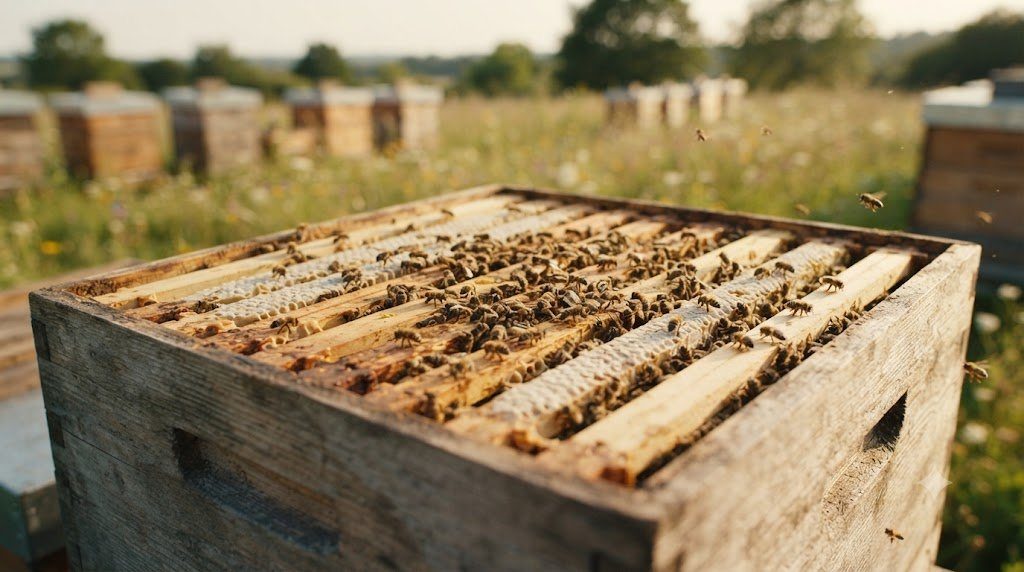
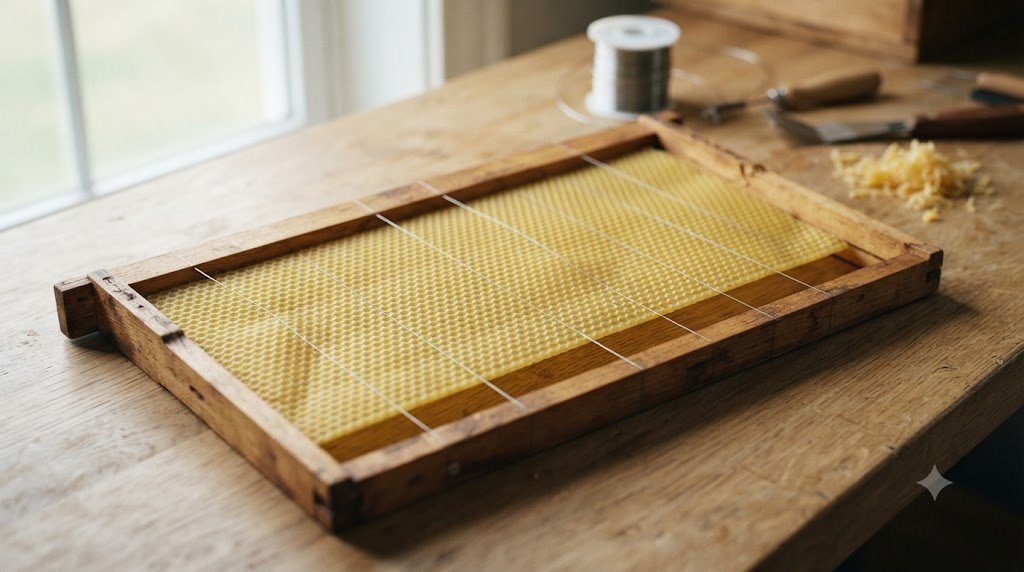
Overwintering Colony Thermodynamics and Condensation Physics: Insulated Condensers vs. Upper Ventilation
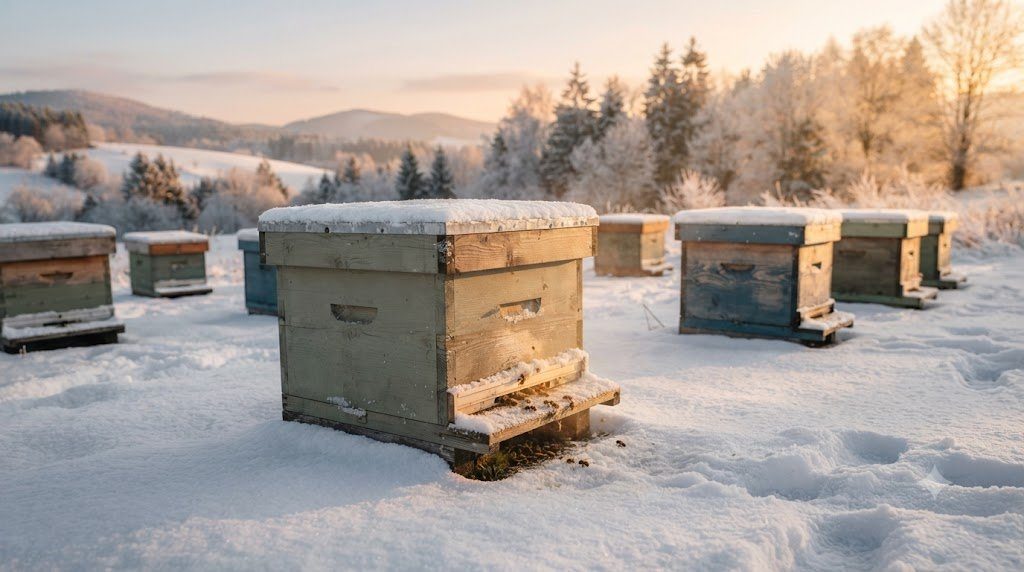
Every autumn across temperate and northern latitudes, beekeepers repeat the timeless adage: “Cold doesn’t kill honey bees—wetness kills honey bees.” While completely true—a dry cluster with ample honey stores can survive ambient temperatures plunging below -35°C (-31°F), whereas a cluster soaked to the skin by icy condensation water loses the insulating air pockets trapped in … Read more
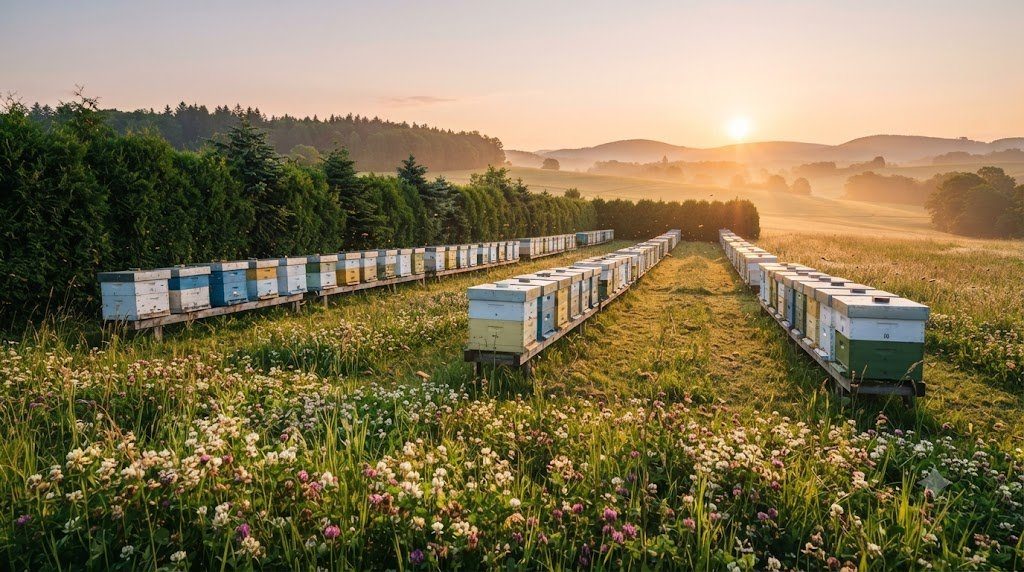
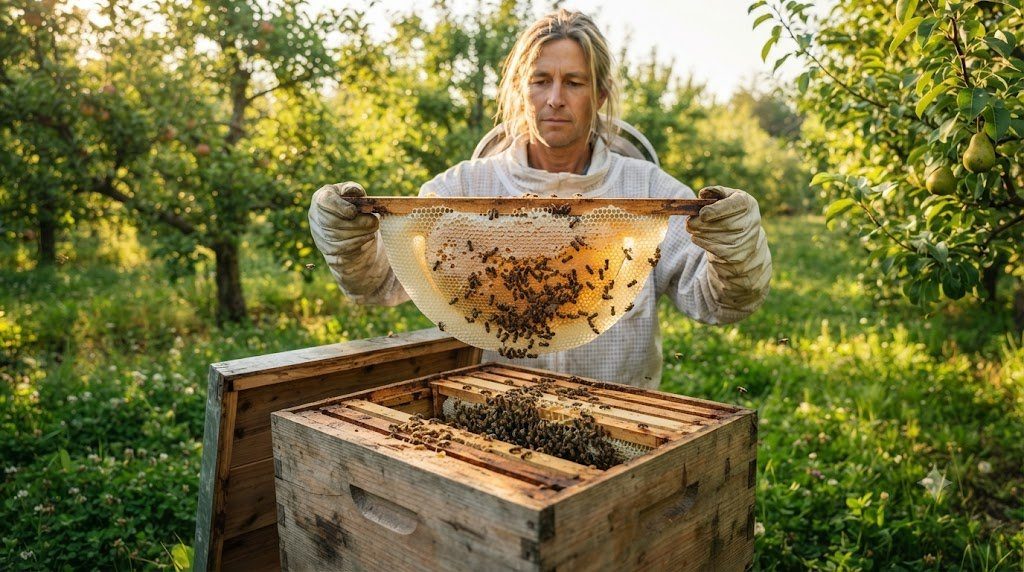
Apiary Site Selection and Microclimate Engineering: Solar Orientation, Windbreaks, and Drift Mitigation

Two genetically identical sister queens installed into identical Langstroth hives just 400 meters apart on the same farm can easily differ in surplus honey production by 50 pounds and experience completely opposite winter survival outcomes. The difference rarely lies inside the hive box—it lies in the microclimate of the apiary site. Microclimate engineering governs how … Read more

Horizontal Top-Bar and Warre Hive Engineering: Catenary Comb Curves and Natural Nest Thermoregulation

While the vertical frame-and-foundation Langstroth system dominates industrial pollination and migratory honey production, a growing movement of natural apiarists, biomechanical researchers, and treatment-minimalist beekeepers has returned to two time-tested foundationless architectures: the Horizontal Kenyan Top-Bar Hive (KTBH) and Abbé Émile Warré’s vertical People’s Hive (Ruche Populaire). Rather than forcing colonies to draw comb over stamped … Read more

Langstroth Hive Architecture and Bee Space Physics: 8-Frame vs. 10-Frame Ergonomics and Comb Configuration

Prior to the autumn of 1851, inspecting a honey bee colony required either cutting comb out of fixed-bar boxes or destroying the colony inside woven straw skeps and hollow log gums with burning sulfur. When Reverend Lorenzo Lorraine Langstroth of Philadelphia realized that leaving a precise clearance gap between the top bars of movable wooden … Read more