Honey Crystallization Kinetics and Dyce Process Creamed Honey: Glucose/Fructose Ratios and Seed Crystal Engineering
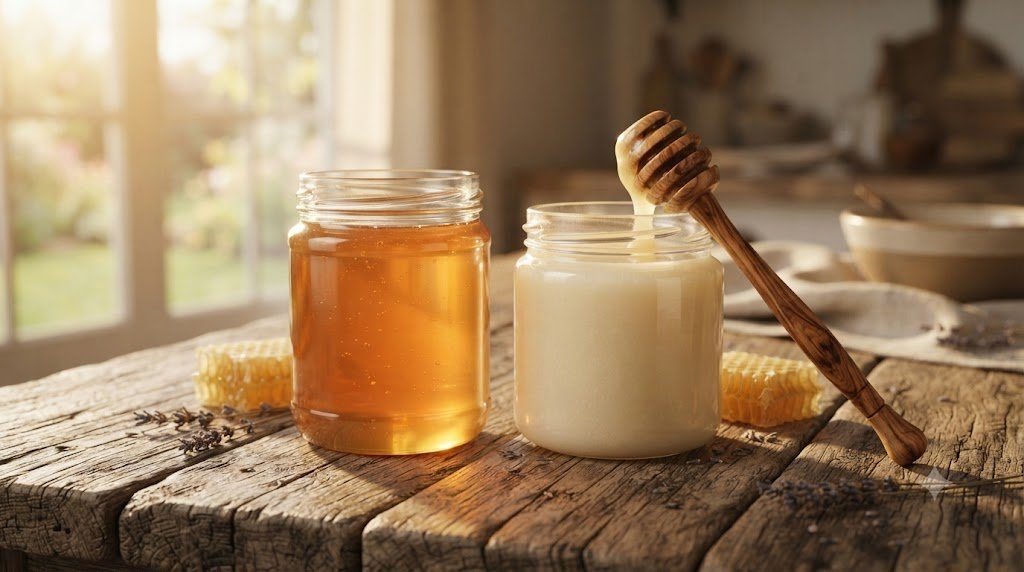
Virtually every beekeeper has received a call from a customer asking why the jar of liquid honey they bought in August turned solid in November—often wondering if the honey went bad or was adulterated with table sugar. In reality, natural granulation (crystallization) is the ultimate badge of pure, unheated raw floral honey. Because cured honey … Read more
Centrifugal Extraction Physics and Filtration Systems: Radial vs. Tangential Mechanics and Enzyme Preservation

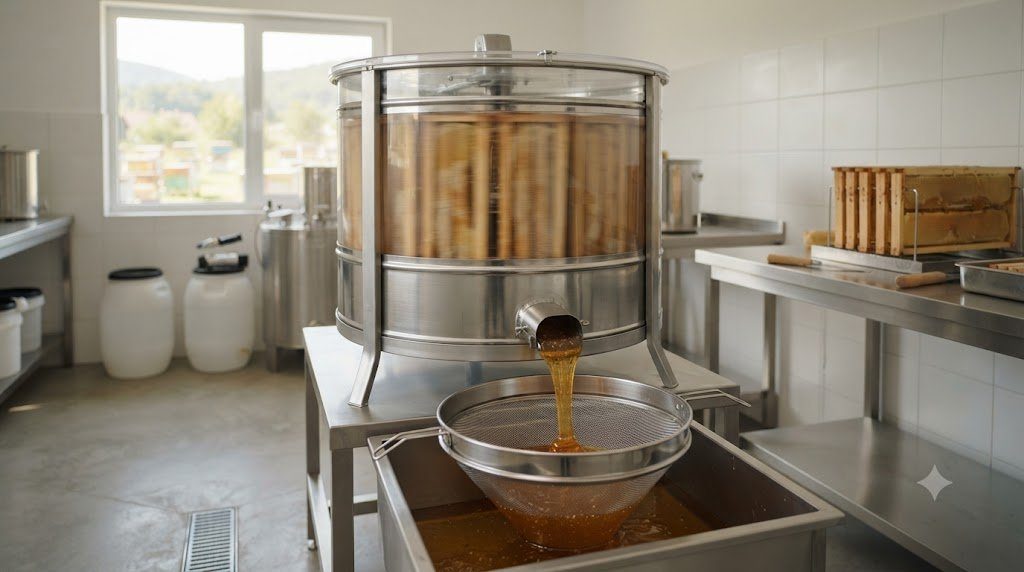
Before Major Francesco De Hruschka of Venice invented the centrifugal honey extractor in 1865—reportedly inspired after watching his young son swing a basket of honeycomb around on a rope and noticing nectar droplets flung out by centrifugal force—harvesting liquid honey required crushing the wax comb to pulp. Because bees must consume approximately 6 to 8 … Read more

Honey Harvesting, Uncapping, and Refractometry: Moisture Control Below 18.6% and Fermentation Prevention

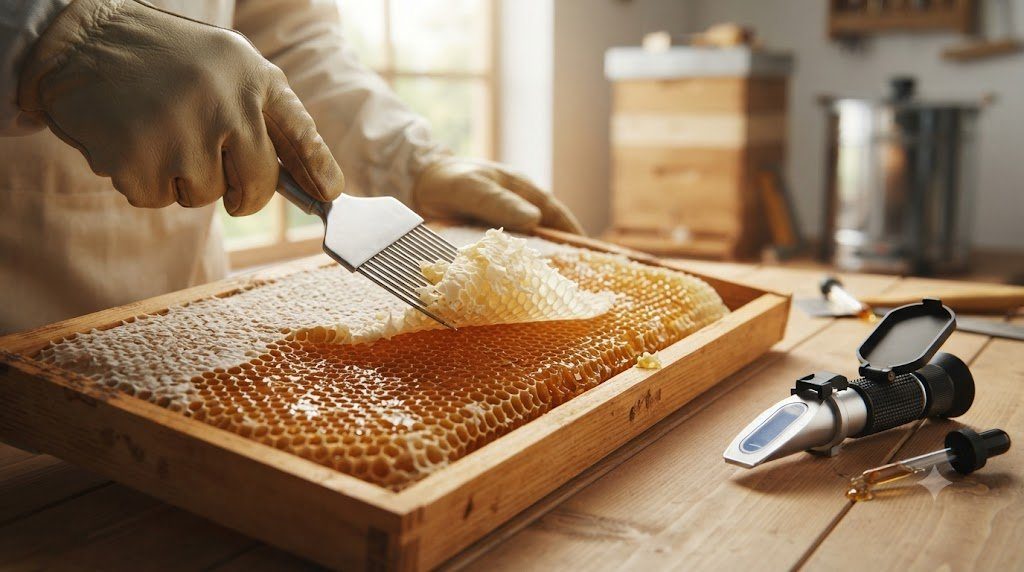
There are few heartbreaks in beekeeping worse than harvesting 200 pounds of fragrant summer honey, bottling it in glass jars, and opening your pantry three months later to find foaming, sour-smelling, carbonated jars popping their lids. Honey fermentation is caused by osmotolerant yeasts of the genus Zygosaccharomyces (principally Zygosaccharomyces rouxii and Z. mellis) naturally present … Read more

Nectar Inversion Biochemistry and Evaporative Ripening: Invertase, Glucose Oxidase, and Water Activity

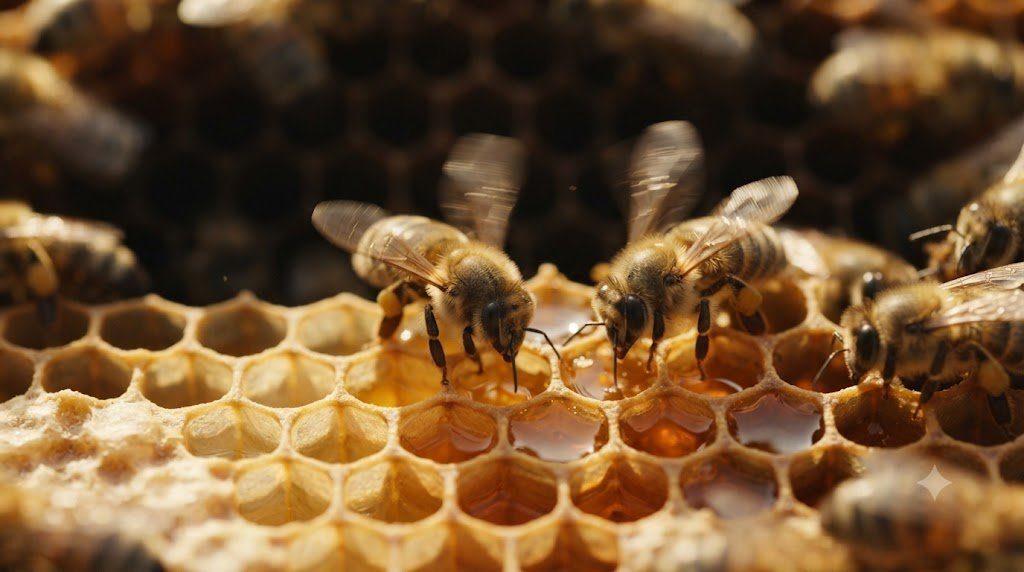
Raw floral nectar collected by foraging honey bees is neither shelf-stable nor chemically equivalent to honey. Freshly secreted by plant floral or extrafloral nectaries, raw nectar is an aqueous solution containing 60% to 80% water and 20% to 40% dissolved sugars—predominantly the disaccharide sucrose ($C_{12}H_{22}O_{11}$), alongside variable trace fractions of glucose, fructose, amino acids (principally … Read more